Modern hardware needs modern procurement.
Move from prototype to production with the structure and visibility to scale procurement without scaling headcount.










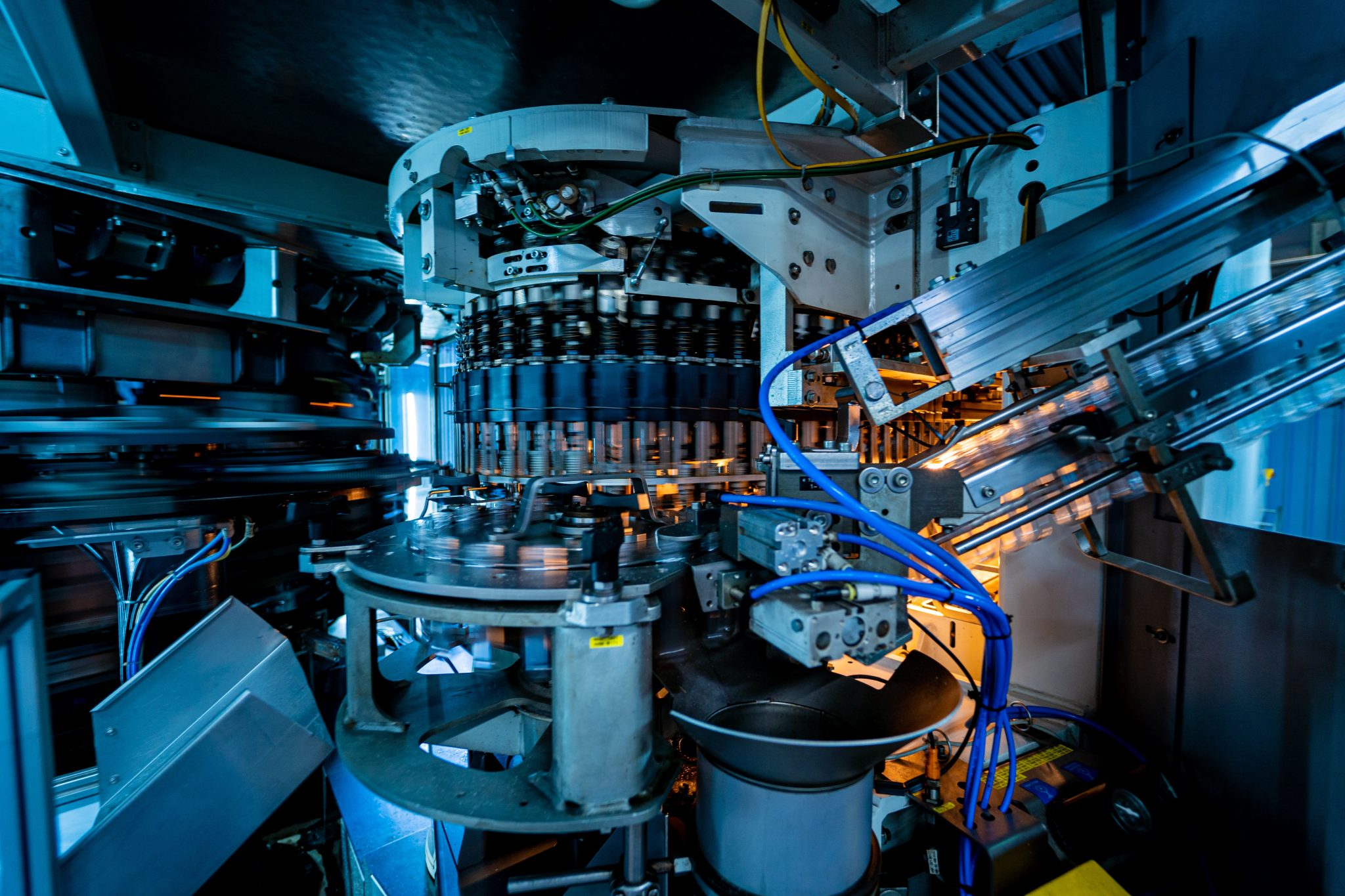
The Challenge
Why does procurement break down as advanced manufacturers scale?
Early-stage manufacturers make procurement work through heroics. One person knows everything, emails fly fast, and somehow parts arrive. But as volume grows, complexity scales faster than the team. The informal systems that worked at 10 parts a week collapse at 100. And by the time the problems are obvious, you've already missed a delivery.
Procurement that lives in one person's head
Your procurement lead knows every supplier, every lead time, every quirk. That's an asset until that person is sick, overwhelmed, or gone. When institutional knowledge isn't in a system, it's a single point of failure.
Engineering and procurement running in parallel, not together
Engineers design. Procurement buys. But the handoff between them is informal, slow, and often incomplete. By the time ops gets a BOM, it may already be out of date, and the back-and-forth to clarify requirements burns time neither side has.
No visibility into what's in-flight
Between open RFQs, pending POs, in-transit orders, and items at incoming inspection, how many things are in motion right now? If you can't answer that in 30 seconds, you don't have the visibility to scale.
ERP, email, and spreadsheets doing the work of one integrated platform
Your ERP tracks financials. Your PLM tracks designs. Spreadsheets track everything in between. Data lives in three places and is current in none of them. Integration debt compounds with every order.
What Goes Wrong
The scaling traps that catch fast-moving manufacturers off guard.
At low volume you absorb these. At scale, they compound into missed deliveries.
1. The informal system breaks under volume
What worked at 10 POs a month falls apart at 100. Response times slip. Things get missed. Errors compound. The team works harder than ever while results get worse.
2. Suppliers receive conflicting messages
When procurement lives in individual inboxes, suppliers hear from different people with different information. Conflicting requests, duplicate quotes, and missed confirmations create friction that slows everyone down.
3. No baseline for supplier performance
Which of your suppliers consistently delivers on time? Which ones always need to be chased? Without a system tracking it, you can't know, and you keep giving business to the same suppliers out of familiarity rather than performance.
4. Procurement can't keep pace with NPI cycles
New product introduction drives rapid BOM changes and fast-turn sourcing requirements. When procurement is already overwhelmed with steady-state production orders, NPI requirements get deprioritized and program timelines slip.
Why Silkline
How does Silkline help advanced manufacturers build procurement infrastructure that scales?
One platform that scales with you — from prototype POs to full-rate production.
Structure from day one
Silkline brings formal process to procurement from the start: structured intake, automated RFQ, PO generation, and order tracking. When you scale from prototype to production, the system scales with you.
Engineering and procurement finally working from the same data
With Silkline integrated into your PLM and ERP, BOM changes flow automatically into procurement workflows. Engineering sees what's been ordered. Procurement sees what's been designed. Everyone works from one source of truth.
Full visibility in one place
Every open order, RFQ, and supplier conversation lives in Silkline, accessible to anyone on the team at any time. Leadership gets a real-time view of procurement health without needing a status meeting.
Supplier performance data that drives better decisions
Silkline tracks delivery performance, responsiveness, and quality across your entire supply base. Over time, you build a record that improves sourcing decisions and gives you the data to have real conversations with underperforming suppliers.


Platform features most relevant to advanced manufacturing
Source
Structured RFQ, multi-supplier quote comparison
Procure
Automated PO generation; approval workflows that keep things moving
Track
Real-time order status across all in-flight procurement
Monitor
Supplier scorecards and performance trends
Comply
ISO 9001 quality records, certificates of conformance, and full part traceability as you scale